How Do Clubs Adjust Food and Fluids After a High-Intensity Game?
In modern football, the difference between winning and losing often comes down to fine margins. Whether it’s a razor-thin scoreline or a player’s sharpness late in the game, recovery after a high-intensity match is crucial for sustained performance. Clubs today leverage cutting-edge tools like data analysis and sprint tracking to tailor their post-game nutrition and hydration strategies. With fixture congestion and long travel schedules piling up, these personalised recovery plans, including food and fluid intake, have become vital to help players bounce back quicker.
The Challenge: High-Intensity Matches and Fixture Congestion
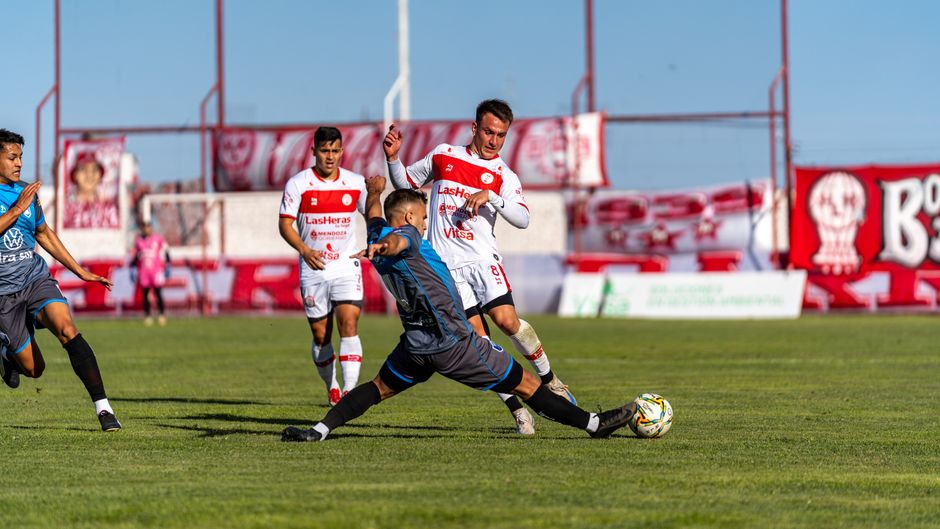
High-intensity games—think periods with lots of sprints, tackles, and explosive movements—take a significant toll on players’ bodies. Muscle glycogen is depleted, fluids are lost through sweat, and microtrauma to muscles https://hayters.com/how-injury-prevention-is-transforming-football/ occurs. Importantly, when clubs have two games a week (or more) along with midweek travels, recovery time shrinks. Late-night kickoffs add the complication of sleep disruption, which can hinder optimal muscle repair and cognitive function.
Getting nutrition and hydration right is therefore one of the “micro-decisions” that can influence a player’s availability and performance in upcoming fixtures.
Using Data and Sprint Metrics to Inform Recovery Needs
Simply put, not all players experience the same physical load in a game. Data analysts and sports scientists dive deep into the numbers to guide personalised recovery:
- Total distance covered
- High-speed running and sprint counts
- Acceleration and deceleration metrics
- Player load and heart rate data
For example, a winger might rack up 30 high-speed sprints in a game, while a centre-back might have fewer. The data tells the performance staff that the winger needs more carbohydrate-rich energy replenishment and targeted muscle recovery nutrients compared to the defender.
What This Means for Food Choices
Players who sprinted more are prioritised for early and higher carbohydrate intake to refill muscle glycogen stores. Those with higher muscle strain might receive additional protein for muscle repair. Fluid needs are dynamically adjusted based on sweat loss estimated from activity data and environmental conditions.
Energy Replacement: The Cornerstone of Post-Game Nutrition
Muscle glycogen, the stored form of carbohydrate, is the primary fuel for repeated high-intensity efforts. After a high-intensity game, glycogen stores can be depleted by 40-60%, depending on the player’s position and in-game demand.
Rapid energy replacement is essential because matches and training sessions may follow within 48-72 hours. Here’s what clubs typically focus on:
- Consume carbohydrates immediately post-match: Within 30-45 minutes, players are offered quick-digesting carbs—sports drinks, smoothies, or fruit—to jumpstart replenishment.
- Incorporate meals rich in carbs and moderate protein: Meals are planned with pasta, potatoes, rice, and lean meats or plant proteins to support glycogen resynthesis and muscle repair.
- Aim for carbohydrate targets: Generally, 1-1.5 grams of carbohydrate per kilogram of bodyweight per hour for the first 4 hours after exercise is recommended for optimal glycogen replacement.
A typical example for a 75kg player:
Time Post-Match Carbohydrate Intake (grams) Typical Foods 0-1 hour 75-115g Sports drink, fruit smoothie, banana 1-4 hours 75-115g per hour Pasta, rice, bread, chicken or fishRehydration: More Than Just Drinking Water
Modern clubs aim to intelligently restore fluid balance after games because dehydration can impair decision-making and physical capacity. Sweat rates vary widely depending on individual physiology, intensity, match location, and weather conditions—data which is tracked via GPS and heart rate monitors.
Key principles of rehydration include:
- Weighing players before and after matches: Weight loss equates directly to sweat loss and fluid deficit.
- Replacing 150% of fluid losses: To account for urine output and ongoing sweating
- Including electrolytes: Sodium, potassium, and magnesium help retain fluids and support muscle function.
- Fluid delivery through multiple means: Sports drinks, water-rich foods (like watermelon), and oral rehydration solutions.
For example, if a player loses 2kg during a game, they should aim to replace 3L (approximately 3kg) of fluids within the next 4-6 hours.
Muscle Recovery: Targeted Nutrition and Beyond
While carbs and fluids are priorities, muscle recovery from intense matches also demands attention to protein intake, antioxidants, and anti-inflammatory nutrients.
- Protein synthesis: 20-30 grams of high-quality protein every 3-4 hours post-match promotes muscle fibre repair and growth of new tissue.
- Omega-3 and antioxidants: To reduce inflammation and aid recovery. Sources include oily fish, berries, and nuts.
- Supplementation: Some clubs use tart cherry juice or curcumin as aid for recovery, but always as part of an individualised plan.
Top-flight clubs often provide protein-rich recovery shakes immediately post-match when appetite might be suppressed, ensuring players get vital nutrients in.
Personalised Recovery Plans: One Size Does Not Fit All
The combination of player monitoring technology and sports nutrition knowledge allows staff to design bespoke recovery programs. Factors influencing these plans include:
- Player position and match load: High sprint numbers call for intensive carb and fluid replacement.
- Past injury history: May dictate anti-inflammatory foods or supplements.
- Player preferences and tolerances: For example, some players may struggle with dairy or certain textures post-match.
- Travel schedules: Long-haul flights require additional hydration protocols and immune-supporting nutrients.
- Sleep quality: Nutrition timing can influence sleep; heavy meals too late could hinder rest.
Managing Sleep Disruption After Late Kickoffs
Fixture congestion isn’t just about physical strain on the body: late games can disrupt circadian rhythms, leading to poor sleep quality. Given that muscle recovery hormones peak during deep sleep phases, poor rest can erode the benefits of nutrition and physical recovery efforts.
Clubs address this by:
- Adjusting post-match meals: Light, easily digestible, and rich in tryptophan-containing foods (like turkey or milk) to promote relaxation and sleepiness.
- Timing hydration: Avoiding excessive fluids close to bedtime to minimise night-time bathroom trips.
- Using data-driven approaches: Wearable trackers can monitor sleep onset and quality, feeding back to tailor recovery protocols.
- Implementing recovery routines: Including guided relaxation, cold water immersion, or compression garments to aid sleep readiness.
Summary: Translating Recovery Science into Matchday Advantage
The modern football landscape—with its demanding schedules and fast turnarounds—means recovery nutrition and hydration are no longer just an afterthought. Instead, they are finely tuned tools shaped by data analysis, sprint workload, personalised plans, and attention to sleep quality.
For anyone tracking Saturday team selection, understanding these recovery principles highlights why some players can step out with freshness while others appear sluggish. Beyond pure talent and training, it’s how well a club manages energy replacement, rehydration, and muscle recovery after a tough game that influences performance continuity.
With analytics and sports science continuing to evolve, expect football clubs to get even smarter about tailoring post-match food and fluid strategies—helping players recover efficiently despite the pressures of fixture congestion and travel.
