What Should a Team Do if a Driver Is Pushing to Come Back Too Soon?
In the high-pressure world of motorsport, injured drivers often feel the pull to return to competition as quickly as possible. Teams face a delicate balance: respecting their athlete’s determination while safeguarding long-term health and performance. When a driver is pushing to come back too soon, there are critical steps a team must follow to ensure a safe, evidence-based return to racing. This article outlines the staged nature of recovery, the division between everyday function and race-level demands, injury-specific rehabilitation pathways, and the pitfalls of relying on pain and medication as indicators of readiness. We’ll also examine how tools like simulator work and clinical assessment serve as invaluable evidence checkpoints, enabling teams to reassess plans and protect their drivers.
Recovery Is a Staged Process, Not a Single Moment
Want to know something interesting? one of the first lessons any team doctor or performance staff member learns is that recovery is not a single moment in time but a multi-stage journey. This concept is often lost behind the hopeful urgency of drivers wanting to return "now."
Recovery comprises several phases:
- Acute phase: Immediate treatment and managing inflammation or damage.
- Subacute phase: Controlled rehabilitation to regain basic function.
- Functional phase: Transition from everyday movements to sport-specific demands.
- Performance phase: Preparing the driver to meet or exceed race-level pressures.
Pressuring a driver to skip stages risks incomplete healing or re-injury. Let me tell you about a situation I encountered thought they could save money but ended up paying more.. Instead, teams must use clinical assessments at each phase to provide objective benchmarks before moving forward.
Everyday Function vs Race-Level Demands
Feeling "better" or even capable of everyday activities doesn’t mean a driver is fit to race. Motorsport places exceptional physical and cognitive demands beyond routine daily function:
- G-forces: Sustained lateral and longitudinal loads require musculoskeletal and vestibular resilience.
- Endurance: Supporting isometric grip and posture for long stints demands strength and stamina.
- Rapid decision-making: Mental sharpness and reaction times are non-negotiable.
- Environmental stressors: Heat, vibration, and noise combine to exacerbate fatigue.
Therefore, an evidence-based return-to-driving plan incorporates activities mimicking race conditions. Simulator work is a crucial tool here, allowing a read more driver to face cognitive and physical demands in a controlled setting, observed and measured by medical and performance teams to assess readiness.
Injury-Specific Pathways: Fractures vs Concussions
The nature of a driver’s injury guides the recovery timeline and risk tolerance. Two common examples are fractures and concussions, and each requires fundamentally different approaches.
Injury Type Recovery Focus Key Concerns Evidence Checkpoints Fracture Bone healing, regaining range of motion, strength, and load tolerance Stress on healing bone, risk of re-fracture or delayed union Imaging, clinical signs of pain and swelling, functional milestones in rehab Concussion Neurological recovery, cognitive function, balance, and sensory integration Post-concussion syndrome, subtle deficits affecting reaction time or decision-making Neurocognitive testing, balance assessments, symptom trackingAttempting to compare or shortcut these processes is risky. A driver with a concussion may appear symptom-free but still have impaired function invisible without specific tests. Conversely, a driver healing from fracture must avoid loading the area prematurely—even what substances are banned FIA if pain levels have decreased.
Pain and Medication Can Mislead Readiness
A critical mistake is interpreting pain absence or reduced medication use as a green light for return. Pain is a complex phenomenon influenced by psychological and physiological factors. Additionally, some medications mask discomfort without addressing underlying structural or neurological readiness.
Teams should be wary of:
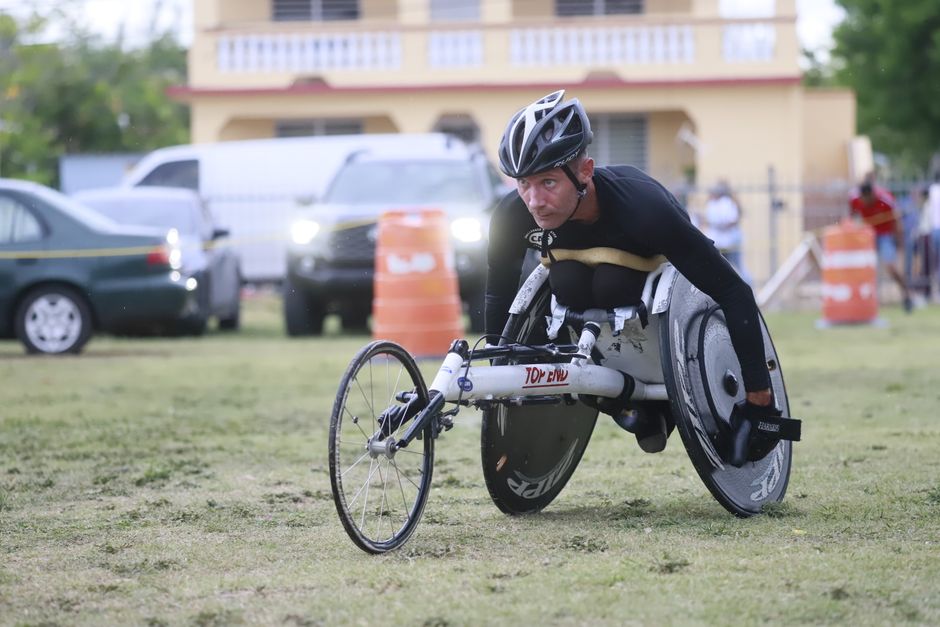
- Drivers minimizing pain to appear tough or meet team expectations.
- The use of analgesics or anti-inflammatories masking symptoms.
- Underreporting of symptoms in medical assessments.
Therefore, assessment must rely on objective signs and functional testing, not just subjective symptom reports.
Using Simulator Work as a Functional Evidence Checkpoint
Simulators have evolved to become more than training tools; they’re a critical component of safely determining return readiness.
By incorporating gradual complexity increases—duration, physiological stress, cognitive load—medical and performance teams observe a driver’s tolerance in real time. Parameters like:
- Reaction times
- Decision-making accuracy
- Physical endurance towards maintaining posture
- Symptom emergence during/after workload
offer essential quantitative data to inform the next steps. Simulator testing bridges the gap between clinical assessment and actual track demands without the risks of early track return.
Clinical Assessments: Objective Milestones to Reassess the Plan
Clinical exams remain the foundation of monitoring recovery. Specialists track:
- Range of motion and strength vs baseline
- Neurological and cognitive function
- Cardiovascular fitness
- Symptom evolution over time
Using standardized protocols helps identify plateaus or regressions, prompting adjustments to the rehabilitation plan. Open communication with the driver about their experience, combined with formal measures, highlights discrepancies and ensures that “feeling better” does not get confused with “fit to drive.”
Protecting Long-Term Health Must Be the Priority
The temptation to rush an experienced or high-profile driver back can conflict with medical prudence. Yet history abounds with examples where premature returns led to catastrophic setbacks or career-ending complications.

Teams must maintain a culture that honors long-term health over short-term gain, underpinned by:
- Evidence-based checkpoints guiding progression
- Regular, multi-disciplinary reassessments
- Transparent discussions on risks and realistic timelines
- Documenting decisions to support the driver’s best interest
Ultimately, the goal is not just to get the driver back on track but back at their peak, minimizing the risk of chronic issues or repeat injuries.
Summary Checklist for Teams Managing Drivers Returning from Injury
Step Action Purpose 1 Clinical assessment at each recovery phase Objective measurement of healing and function 2 Simulator sessions matching increasing race demands Assess psychological, cognitive, and physical readiness safely 3 Use injury-specific protocols (e.g., concussion vs fracture) Tailor recovery to unique physiological challenges 4 Monitor and interpret pain and medication use cautiously Avoid masking true readiness and potential risks 5 Communicate clearly and reassess plan regularly Adapt to objective and subjective findings to protect driverFinal Thoughts
In motorsport, the difference between “feeling better” and “fit to drive” can be a life-impacting line. When a driver pushes to return too soon, the responsibility lies heavily with the medical and performance team to lean on evidence-based checkpoints—clinical assessments, simulator work, and injury-specific pathways—to protect long-term health. The path to race readiness is staged, measured, and never rushed.
Teams that embed this philosophy reduce the risk of premature returns and set their drivers up not just to race, but to thrive.